


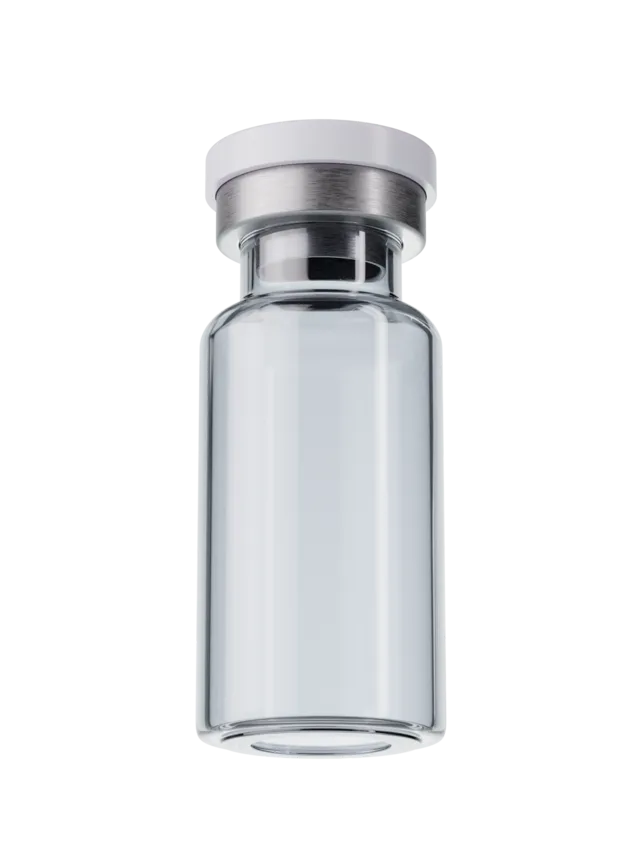
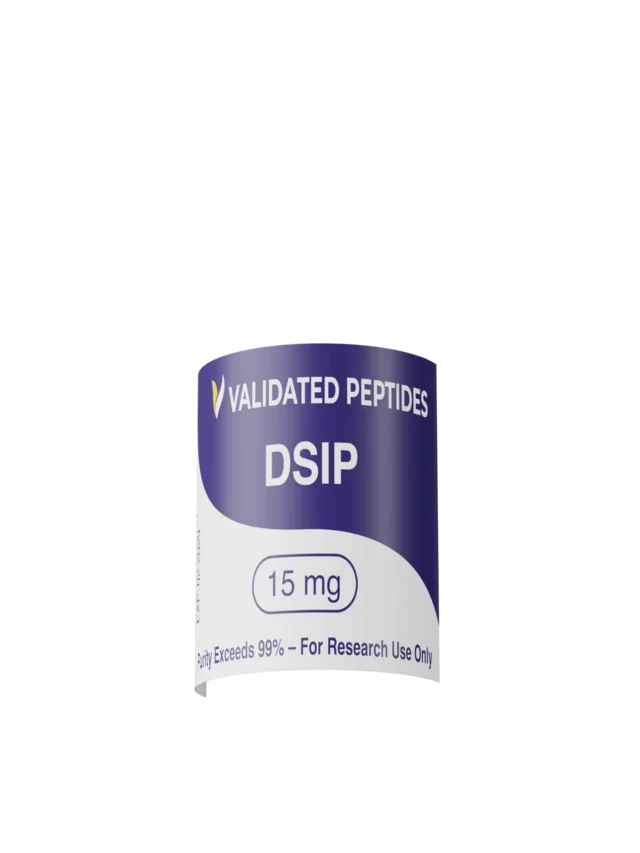

DSIP (Delta Sleep-Inducing Peptide) is a naturally occurring nonapeptide neuropeptide first discovered in 1974, composed of nine amino acids (Trp-Ala-Gly-Gly-Asp-Ala-Ser-Gly-Glu). Research demonstrates DSIP significantly enhances sleep quality, particularly slow-wave deep sleep, while reducing sleep latency without sedative effects. Studies show DSIP modulates the hypothalamic-pituitary-adrenal axis, reducing cortisol and stress responses. Clinical trials demonstrate remarkable efficacy in treating withdrawal symptoms, with 97% of opiate-dependent and 87% of alcohol-dependent patients experiencing symptom relief. DSIP exhibits analgesic properties for chronic pain conditions, neuroprotective effects through antioxidant mechanisms, and geroprotective actions including 2.6-fold reduction in spontaneous tumor incidence in long-term studies.
Structured specifications and handling data
Technical specifications
Trp-Ala-Gly-Gly-Asp-Ala-Ser-Gly-GluC35H48N10O15Stability and handling
Molecular model
Loading 3D Molecule...
Compounds commonly studied alongside this one.


DSIP was discovered in the late 1970s when researchers isolated it from rabbit brain tissue and noticed it was associated with increased delta wave activity on EEG recordings. Delta waves are the large, slow brainwaves associated with deep sleep stages. Since then, studies have examined its effects on sleep architecture, including slow-wave sleep duration, sleep spindle activity, and REM sleep patterns in animal models.
Beyond sleep, DSIP research has expanded into circadian biology and stress physiology. Animal behavioral studies have looked at how it relates to daily activity rhythms and stress-induced responses. Laboratory work has explored its interactions with several neurotransmitter systems, including GABA (the brain's main inhibitory system), serotonin, and dopamine, in brain tissue preparations.
Stress hormone research has examined DSIP's association with corticosterone and ACTH levels in experimental stress models. Researchers have also created synthetic variants of DSIP to study which parts of the nine-amino-acid sequence are essential for its observed effects. With over 500 published papers, DSIP remains an active area of research in sleep physiology and neuroendocrine regulation.
Published studies and concise summaries for research review.
AI-generated summary of this research paper below.
Concise answers about laboratory context, handling, and documentation for this compound.
Laboratory compliance notice
All compounds sold by Validated Peptides are intended for in-vitro laboratory research only.
These materials are not approved by the FDA for human or animal use and are not intended for diagnostic, therapeutic, or clinical applications.
Purchasers are responsible for compliant handling, storage, and use within an appropriate laboratory environment.