

Third-party tested
Purity documentation available
Research supply chain
Compliance notice included
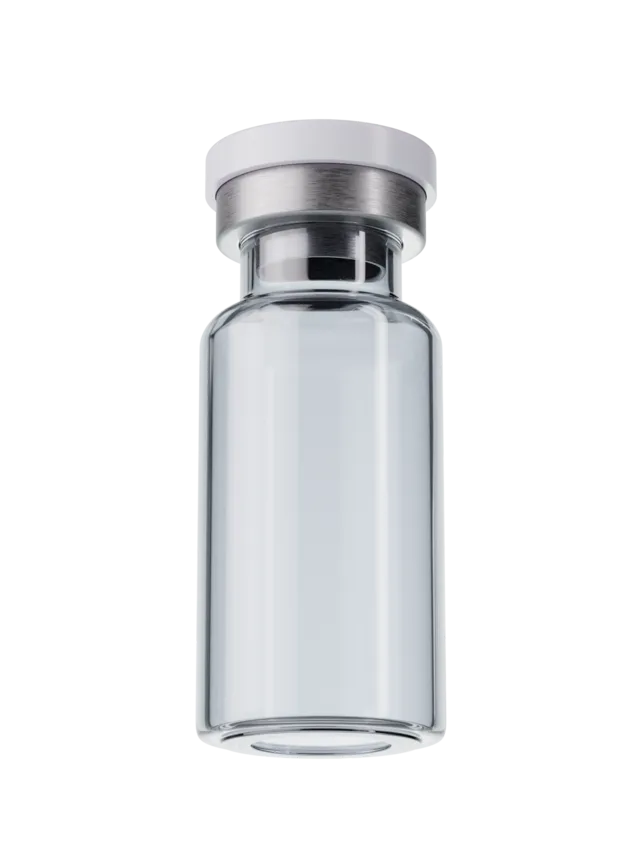
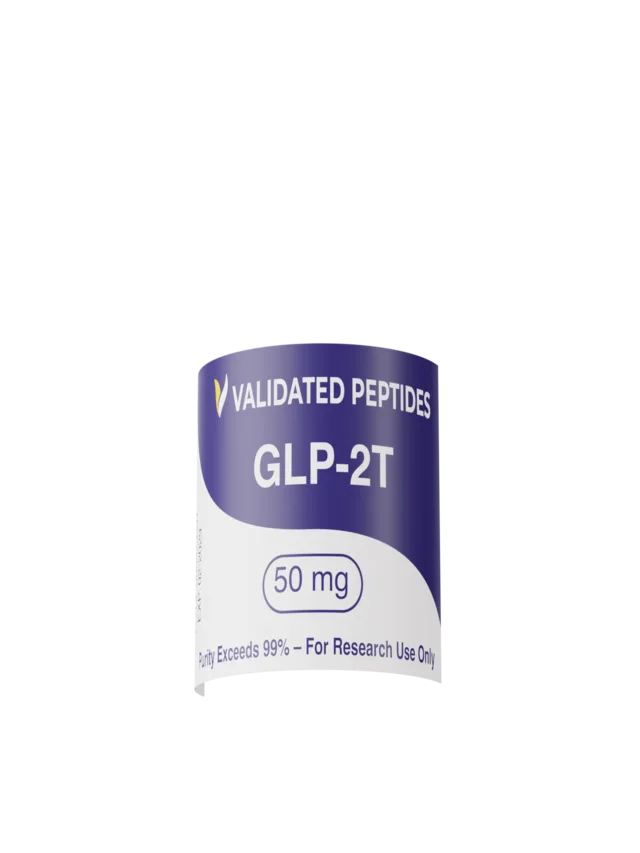


99%+ Purity
GLP-2Tirz
GLP-2T is a 39 amino acid synthetic peptide designed to activate two receptors at once: the GIP receptor and the GLP-1 receptor, both of which play central roles in how the body processes nutrients and regulates blood sugar. It has been engineered with chemical modifications that help it last longer in circulation during research experiments. Scientists study it to understand how activating both of these receptor systems together compares to activating just one, particularly in models exploring insulin signaling and energy balance.
1
$79.99
We accept
Certificate of Analysis
Third Party TestedISO/IEC 17025 Accredited
ISO 170253rd Party
99.9%
Purity
Passed full QC panel
Lot #TIRZ-30MG-BA-579
TestedOct 25, 2026
Full QC Panel
Purity (HPLC)99.9%
Net Peptide Content31.32mg
Identity (HPLC)Confirmed
Heavy Metals (ICP-MS)Not Detected
Sterility (PCR)No Growth
Endotoxin (USP <85>)0.232 EU/mL
ISO/IEC 17025 Accredited
ISO 170253rd Party
Pass
Identity
Lot #TIRZ-30MG-BA-579
TestedOct 25, 2026
Full QC Panel
Identity (HPLC)Confirmed
ISO/IEC 17025 Accredited
ISO 170253rd Party
31.32mg
Net Peptide Content
Lot #TIRZ-30MG-BA-579
TestedOct 25, 2026
ISO/IEC 17025 Accredited
ISO 170253rd Party
Pass
Fentanyl Screen
Lot #TIRZ-30MG-BA-579
TestedOct 25, 2026
ISO/IEC 17025 Accredited
ISO 170253rd Party
Pass
Heavy Metals
Lot #TIRZ-30MG-BA-579
TestedOct 25, 2026
Full QC Panel
Heavy Metals (ICP-MS)Not Detected
ISO/IEC 17025 Accredited
ISO 170253rd Party
Pass
Microbial & Sterility
Lot #TIRZ-30MG-BA-579
TestedOct 25, 2026
Full QC Panel
Sterility (PCR)No Growth
ISO/IEC 17025 Accredited
ISO 170253rd Party
Pass
Endotoxin
Lot #TIRZ-30MG-BA-579
TestedOct 25, 2026
Full QC Panel
Endotoxin (USP <85>)0.232 EU/mL
ISO/IEC 17025 Accredited
ISO 170253rd Party
99.9%
Purity
Passed full QC panel
Lot #TIRZ-30MG-BA-579
TestedOct 25, 2026
Full QC Panel
Purity (HPLC)99.9%
Net Peptide Content31.32mg
Identity (HPLC)Confirmed
Heavy Metals (ICP-MS)Not Detected
Sterility (PCR)No Growth
Endotoxin (USP <85>)0.232 EU/mL
ISO/IEC 17025 Accredited
ISO 170253rd Party
Pass
Identity
Lot #TIRZ-30MG-BA-579
TestedOct 25, 2026
Full QC Panel
Identity (HPLC)Confirmed
ISO/IEC 17025 Accredited
ISO 170253rd Party
31.32mg
Net Peptide Content
Lot #TIRZ-30MG-BA-579
TestedOct 25, 2026
ISO/IEC 17025 Accredited
ISO 170253rd Party
Pass
Fentanyl Screen
Lot #TIRZ-30MG-BA-579
TestedOct 25, 2026
ISO/IEC 17025 Accredited
ISO 170253rd Party
Pass
Heavy Metals
Lot #TIRZ-30MG-BA-579
TestedOct 25, 2026
Full QC Panel
Heavy Metals (ICP-MS)Not Detected
ISO/IEC 17025 Accredited
ISO 170253rd Party
Pass
Microbial & Sterility
Lot #TIRZ-30MG-BA-579
TestedOct 25, 2026
Full QC Panel
Sterility (PCR)No Growth
ISO/IEC 17025 Accredited
ISO 170253rd Party
Pass
Endotoxin
Lot #TIRZ-30MG-BA-579
TestedOct 25, 2026
Full QC Panel
Endotoxin (USP <85>)0.232 EU/mL
ISO/IEC 17025 Accredited
Compound Information
Structured specifications and handling data
Molecular profile
Technical specifications
Type:Synthetic Peptide (Dual Agonist)
CAS Number:2023788-19-2
Molecular Weight:4813 g/mol
Amino Acids:39
Sequence:
39-amino-acid linear peptide based on GIP sequence with Aib at positions 2 & 13, C-terminal amidation, and Lys20 acylation with C20 fatty diacid via γGlu-(AEEA)₂ linker (full one-letter sequence not uniformly published in text form; refer to structural diagrams in primary literature)Formula:
C225H348N48O68Storage requirements
Stability and handling
Storage TemperatureStore in a cool, dry place away from light; refrigerate at 2–8°C (36–46°F)
ReconstitutionReconstitute with sterile water or bacteriostatic water
StabilityStable when stored properly; avoid repeated freeze-thaw cycles
Chemical structure
Molecular model
3D Interactive
Loading 3D Molecule...
Left click to rotate • Scroll to zoom
Frequently researched together
Compounds commonly studied alongside this one.
GLP-2Tirz research overview
GLP-2T is built on the backbone of GIP (glucose-dependent insulinotropic polypeptide), a natural hormone the gut releases after eating. Engineers modified the peptide at several positions and attached a fatty acid chain so it binds to albumin, a blood protein, which keeps it circulating longer in experimental models. The result is a molecule that activates both GIP receptors and GLP-1 receptors, two systems that help coordinate insulin release and nutrient processing.
What makes this peptide interesting to researchers is the "dual agonist" approach. Most incretin-focused research has looked at GLP-1 receptor activation alone. GLP-2T lets scientists study what happens when both the GIP and GLP-1 pathways are turned on together. In pancreatic cell preparations, researchers have observed its effects on insulin secretion when glucose is present. In animal models, it has been studied in the context of gastric emptying rates, food intake patterns, and how cells respond to insulin.
Comparative studies have explored how dual receptor activation differs from single receptor activation in experimental metabolic models. This line of research helps scientists understand the broader incretin system, which is the network of gut hormones and receptors that coordinate the body's response to food at a cellular level.
Research evidence
Published studies and concise summaries for research review.
AI-generated summary of this research paper below.
This phase 3 SURPASS-2 trial was a randomized, open-label study comparing once-weekly GLP-2T (5 mg, 10 mg, or 15 mg) with once-weekly GLP-1S 1 mg in adults with type 2 diabetes inadequately controlled on metformin. Over 40 weeks, GLP-2T achieved superior reductions in HbA1c (up to -2.3% with 15 mg vs -1.9% with GLP-1S) and body weight (up to -11.2 kg vs -6.9 kg), with more participants reaching HbA1c <7% (82-86% vs 79%) and ≥15% weight loss (up to 36% vs 8%). Gastrointestinal side effects were common but mostly mild to moderate during dose escalation, and GLP-2T showed better cardiometabolic improvements (e.g., lipids, blood pressure). These results established GLP-2T's superiority over a leading GLP-1 agonist, supporting its role as a more potent dual incretin therapy for type 2 diabetes management.
Research overview
Total Papers
1,600+
Year Range
1994+
Research status
Active
Peer-reviewed studies available
Research FAQ
Frequently asked questions
Concise answers about laboratory context, handling, and documentation for this compound.
Laboratory compliance notice
All compounds sold by Validated Peptides are intended for in-vitro laboratory research only.
These materials are not approved by the FDA for human or animal use and are not intended for diagnostic, therapeutic, or clinical applications.
Purchasers are responsible for compliant handling, storage, and use within an appropriate laboratory environment.
Research Use Only
Not for Human Use
21+ Required