


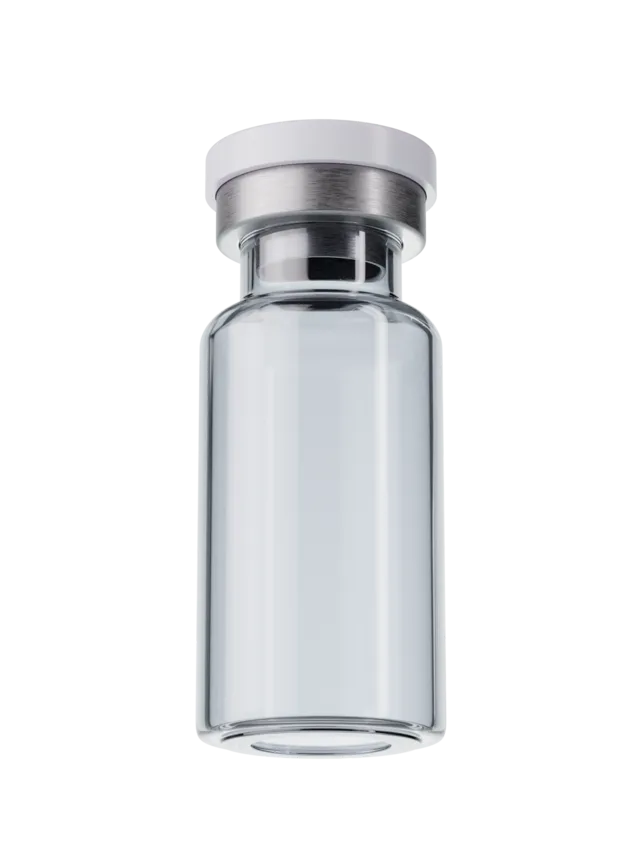
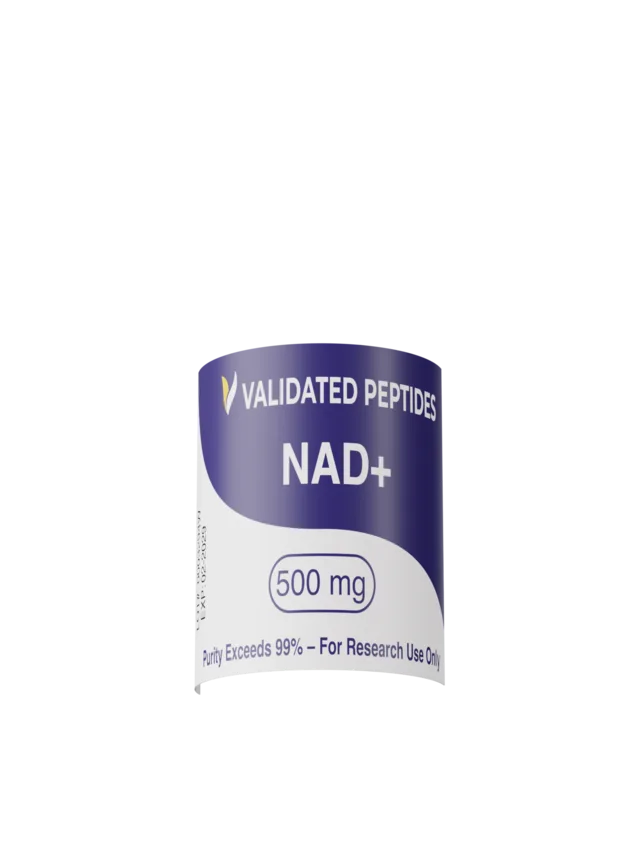

NAD+ (Nicotinamide Adenine Dinucleotide) is an essential coenzyme found in every living cell that serves as a critical regulator of cellular energy metabolism, DNA repair, and longevity pathways. Research demonstrates that NAD+ levels decline significantly with age, contributing to metabolic dysfunction, muscle atrophy, and cellular aging. Studies show NAD+ enhances mitochondrial function, improves insulin sensitivity, and activates sirtuins proteins that regulate DNA repair and cellular stress responses. Clinical research indicates NAD+ restoration through precursor supplementation improves skeletal muscle NAD+ content by up to 30%, reduces fat mass accumulation, enhances cardiovascular function, and supports DNA damage repair mechanisms that deteriorate with aging.
Structured specifications and handling data
Technical specifications
N/AC21H27N7O14P2Stability and handling
Molecular model
Loading 3D Molecule...
Compounds commonly studied alongside this one.
NAD+ is one of the most important molecules in cell biology. It works as an electron carrier, picking up electrons from nutrients during metabolic reactions (glycolysis, the citric acid cycle, oxidative phosphorylation) and delivering them to the mitochondria where they are used to generate ATP, the cell's energy currency. When NAD+ picks up electrons, it becomes NADH. The ratio of NAD+ to NADH is a key indicator researchers use to assess a cell's metabolic state.
But NAD+ does more than shuttle electrons. It is also consumed (not just used, actually used up) by two important enzyme families. Sirtuins are enzymes that remove chemical tags from proteins and regulate gene activity, and they require NAD+ to function. PARP enzymes use NAD+ during DNA repair. When these enzymes are highly active, they can drain NAD+ levels inside the cell, creating competition between energy production and these other critical functions.
Researchers have found that NAD+ levels in tissues appear to decline with age in animal models, which has made it a focal point of aging and metabolism research. Scientists also study the pathways cells use to make NAD+, including the salvage pathway (recycling nicotinamide) and de novo synthesis (building it from the amino acid tryptophan), to understand how cells maintain their supply. With over 60,000 published papers, NAD+ is one of the most extensively studied molecules in all of biochemistry.
Published studies and concise summaries for research review.
AI-generated summary of this research paper below.
Concise answers about laboratory context, handling, and documentation for this compound.
Laboratory compliance notice
All compounds sold by Validated Peptides are intended for in-vitro laboratory research only.
These materials are not approved by the FDA for human or animal use and are not intended for diagnostic, therapeutic, or clinical applications.
Purchasers are responsible for compliant handling, storage, and use within an appropriate laboratory environment.