


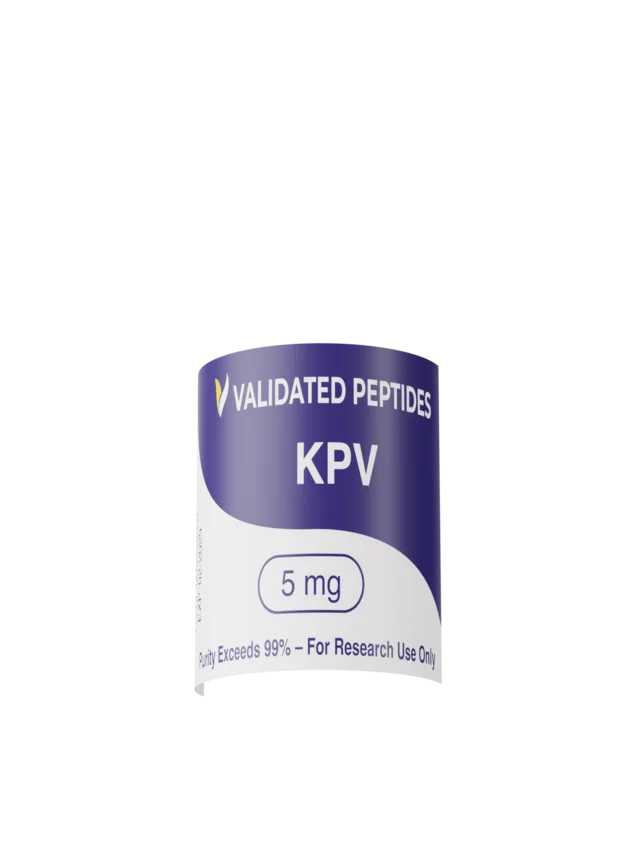

KPV is a naturally occurring tripeptide composed of lysine, proline, and valine, derived from the C-terminal sequence of alpha-melanocyte-stimulating hormone (α-MSH). Research demonstrates KPV exhibits potent anti-inflammatory properties by inhibiting NF-κB and MAP kinase signaling pathways while reducing pro-inflammatory cytokine secretion. Studies show the peptide is transported into cells via the PepT1 transporter, where it inactivates inflammatory pathways at nanomolar concentrations. KPV demonstrates antimicrobial activity against major pathogens including Staphylococcus aureus and Candida albicans. Animal studies indicate KPV significantly reduces intestinal inflammation, accelerates wound healing, and improves tissue repair without pigmentation effects.
Structured specifications and handling data
Technical specifications
Ac-Lys-Pro-Val-NH2C17H32N6O4Stability and handling
Molecular model
Loading 3D Molecule...
Compounds commonly studied alongside this one.
KPV comes from the last three amino acids of alpha-MSH (alpha-melanocyte stimulating hormone), a signaling molecule involved in many biological processes. Researchers identified KPV as the smallest fragment of alpha-MSH that still showed activity in inflammatory cell models, which is what makes it interesting as a research tool. Cells appear to take it up through a transporter called PepT1, which is particularly active in gut lining cells.
The main focus of KPV research has been on NF-kappaB, a protein complex that acts like a master switch for inflammatory genes. When cells are stimulated with inflammatory triggers in lab experiments, KPV has been observed to reduce NF-kappaB activation and lower the release of inflammatory signaling molecules like TNF-alpha, interleukin-1 beta, and interleukin-6. This work has primarily been done in intestinal epithelial cells and colon tissue samples.
Animal research has explored KPV in models of intestinal inflammation, looking at neutrophil activity and inflammatory marker levels. Interestingly, some of its effects appear to work independently of melanocortin receptors, which is unusual for a fragment derived from alpha-MSH. Researchers have also studied its antimicrobial properties against certain bacteria and fungi in laboratory assays.
Published studies and concise summaries for research review.
AI-generated summary of this research paper below.
Concise answers about laboratory context, handling, and documentation for this compound.
Laboratory compliance notice
All compounds sold by Validated Peptides are intended for in-vitro laboratory research only.
These materials are not approved by the FDA for human or animal use and are not intended for diagnostic, therapeutic, or clinical applications.
Purchasers are responsible for compliant handling, storage, and use within an appropriate laboratory environment.

