


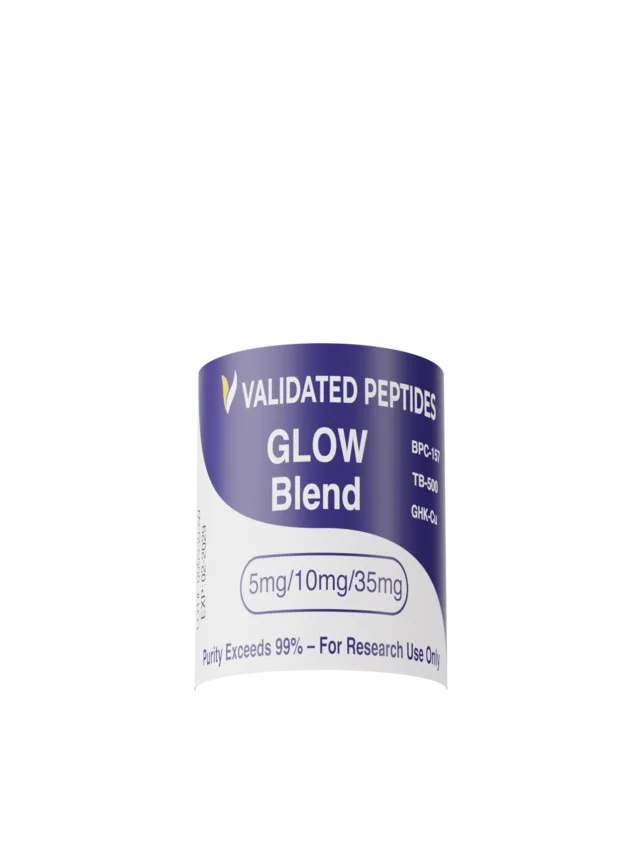

This blend contains three peptides studied for tissue repair mechanisms in preclinical research. GHK-Cu is a naturally occurring tripeptide-copper complex present in human plasma that declines with age, measuring approximately 200 ng/mL at age 20 and declining to 80 ng/mL by age 60. BPC-157 is a pentadecapeptide isolated from gastric juice that demonstrates stability and resistance to enzymatic degradation. TB-500 is a synthetic peptide derived from thymosin beta-4, an actin-binding protein found in high concentrations in platelets and wound fluid. Preclinical studies examine these peptides' effects on wound healing phases including angiogenesis, cellular migration, and collagen deposition. Research has been conducted primarily in cell cultures and animal models, with limited human clinical data available.
Structured specifications and handling data
Technical specifications
BPC-157 + TB-500 + GHK-CuStability and handling
Molecular model
Loading 3D Molecule...
Compounds commonly studied alongside this one.
This blend combines three peptides that each approach cellular biology from a different angle. BPC-157 is a gastric fragment that researchers have linked to growth factor signaling, nitric oxide pathways, and blood vessel development. TB-500 is a synthetic version of thymosin beta-4, which binds actin and influences how cells reorganize their internal structure and migrate. GHK-Cu is a copper-bound tripeptide that has been shown to affect the expression of thousands of genes related to collagen, elastin, and tissue remodeling.
The research logic behind combining them is that they appear to operate through different mechanisms that touch overlapping biological systems. BPC-157 works through growth factor receptors and VEGF. TB-500 works through the actin cytoskeleton. GHK-Cu works at the gene expression level through matrix metalloproteinases and antioxidant enzymes. Studying them together lets researchers observe whether those different entry points produce coordinated effects in cell culture and animal models.
Individually, each component has a substantial body of published research. The combination approach is a newer area of investigation focused on understanding how multi-peptide formulations compare to single-peptide studies in laboratory settings.
Published studies and concise summaries for research review.
AI-generated summary of this research paper below.
Concise answers about laboratory context, handling, and documentation for this compound.
Laboratory compliance notice
All compounds sold by Validated Peptides are intended for in-vitro laboratory research only.
These materials are not approved by the FDA for human or animal use and are not intended for diagnostic, therapeutic, or clinical applications.
Purchasers are responsible for compliant handling, storage, and use within an appropriate laboratory environment.


