


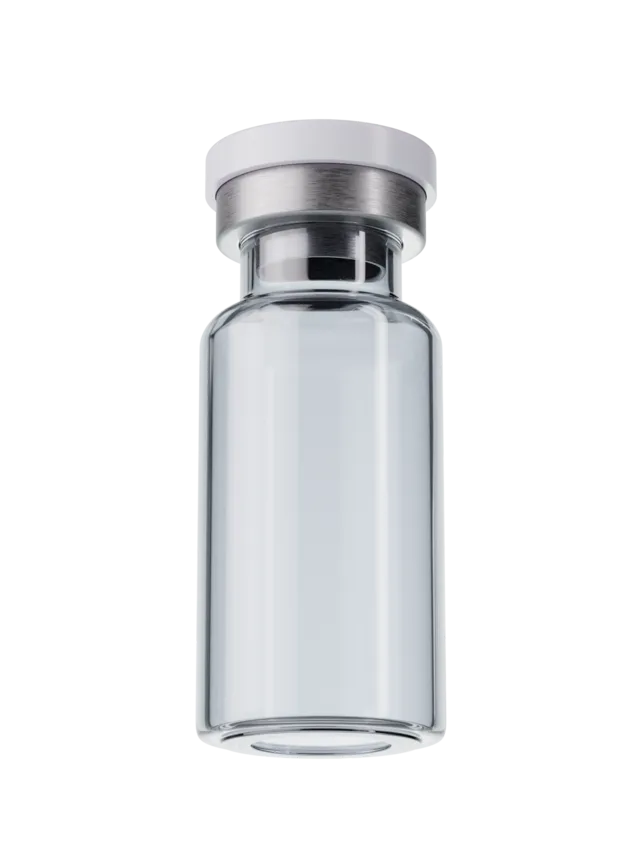
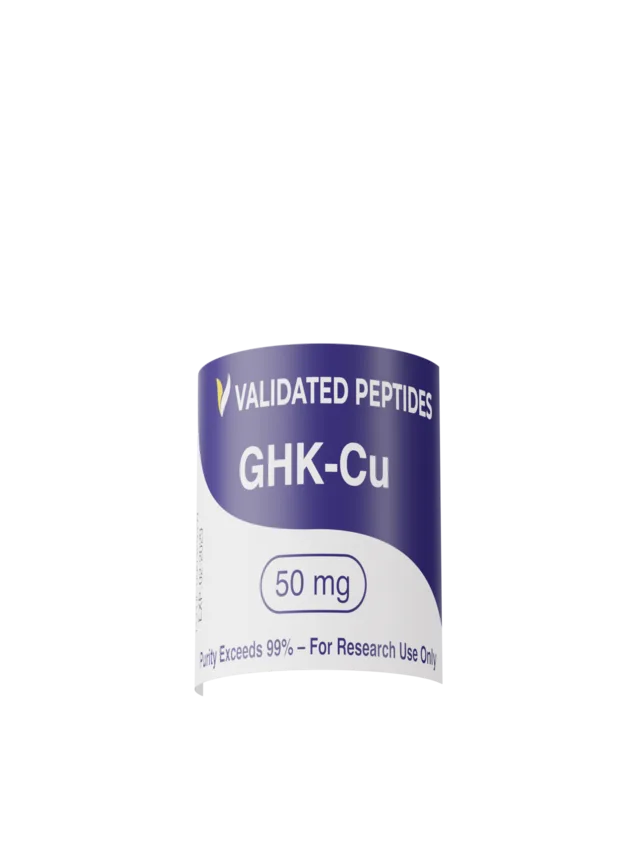

GHK-Cu is a naturally occurring copper-binding tripeptide (glycyl-L-histidyl-L-lysine) first isolated from human plasma in 1973. This bioactive peptide demonstrates remarkable tissue regenerative properties, enhancing wound healing, collagen synthesis, and cellular repair mechanisms. Research shows GHK-Cu modulates expression of over 30% of human genes, promoting tissue remodeling while suppressing inflammatory pathways. The peptide increases collagen production by up to 70%, accelerates wound healing by 30-50%, and reduces wrinkle depth by 33%. GHK-Cu levels decline from 200 ng/mL at age 20 to 80 ng/mL by age 60, correlating with decreased regenerative capacity. Studies demonstrate improvements in skin density, hair follicle enlargement, and DNA repair gene activation, making it valuable for anti-aging applications and tissue restoration.
Structured specifications and handling data
Technical specifications
Gly-His-Lys-CuC14H24CuN6O4Stability and handling
Molecular model
Loading 3D Molecule...
Compounds commonly studied alongside this one.
GHK-Cu is a naturally occurring peptide made of just three amino acids (glycine, histidine, and lysine) bound to a copper ion. It was first identified in human plasma in the 1970s, and what makes it unusual is how much influence such a small molecule appears to have. Genomic studies using tools like the Broad Institute Connectivity Map found that GHK-Cu can shift the expression of over 4,000 genes, many of which are tied to how cells build collagen, elastin, and other structural proteins.
In cell culture experiments, researchers have studied how GHK-Cu affects fibroblasts, the cells responsible for producing collagen and maintaining connective tissue. It appears to influence the activity of enzymes called matrix metalloproteinases (MMPs), which act like molecular scissors that break down and recycle old collagen. The copper component also plays a role in the chemistry of how cells manage oxidative stress, working with antioxidant enzymes like superoxide dismutase.
Animal research has explored GHK-Cu in the context of blood vessel development and inflammatory signaling. It has been associated with changes in VEGF levels (a protein that promotes new blood vessel growth) and with shifts in inflammatory molecules like TNF-alpha and interleukin-6. The combination of gene expression effects, structural protein research, and the copper-peptide chemistry makes GHK-Cu one of the more broadly studied compounds in extracellular matrix research.
Published studies and concise summaries for research review.
AI-generated summary of this research paper below.
Concise answers about laboratory context, handling, and documentation for this compound.
Laboratory compliance notice
All compounds sold by Validated Peptides are intended for in-vitro laboratory research only.
These materials are not approved by the FDA for human or animal use and are not intended for diagnostic, therapeutic, or clinical applications.
Purchasers are responsible for compliant handling, storage, and use within an appropriate laboratory environment.


